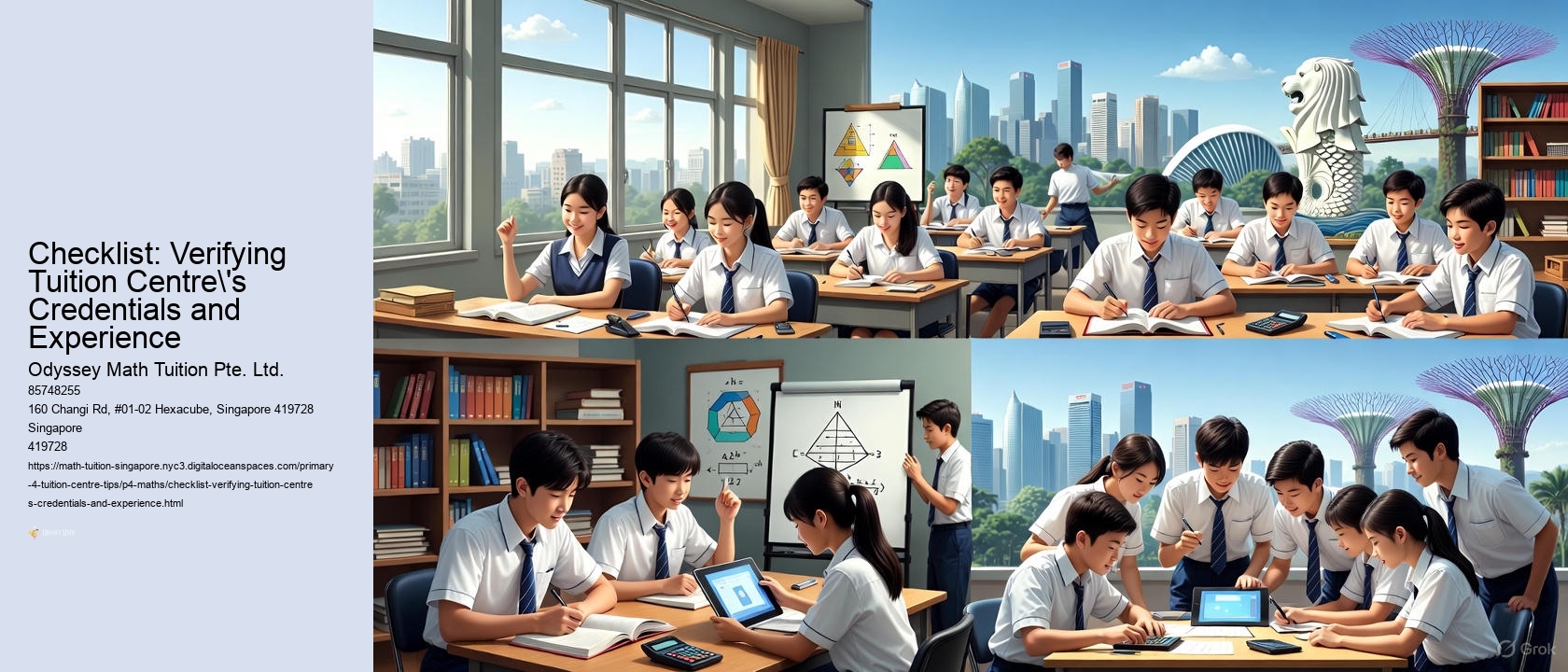
Alright, parents, lah! Let's talk about something super important: making sure your child gets the best possible start in Primary 4. We all know Primary 4 is when things start to get real, right? It's like the foundation for everything else to come – PSLE, secondary school, JC, and even their future careers! And let’s be honest, in Singapore, that foundation needs to be solid.
That's why choosing a Singapore Primary 4 tuition centre isn't something you can just anyhow do. You can't just pick the one with the flashiest ads or the most convenient location. We need to be smart, kiasu (but in a good way!), and do our homework. Think of it as an investment – not just in tuition fees, but in your child's future. After all, a strong grasp of mathematics, especially, opens doors. With AI becoming more and more prevalent, the ability to understand and apply mathematical concepts is going to be a major advantage, not just in school, but in life!
So, how do we make sure we're making the right choice? Let's dive into a checklist to help you verify a tuition centre's credentials and experience. This is about ensuring that the centre you choose is not just promising the moon, but can actually deliver the stars!
Checklist: Verifying Tuition Centre's Credentials and Experience
Okay, parents, time to put on our detective hats! Here's what we need to investigate:
Fun fact: Did you know that Singapore consistently ranks highly in international mathematics assessments like TIMSS (Trends in International Mathematics and Science Study)? This shows how seriously we take mathematics education here!
Evaluating Tuition Centre Curriculum and Materials
Now that we've checked the credentials, let's dig into what they're actually teaching. Here's what to look for in a good Primary 4 tuition curriculum:
Subtopic: Understanding the Importance of Mathematics in Primary School
Mathematics in primary school isn't just about learning numbers and formulas. It's about developing critical thinking, problem-solving skills, and logical reasoning – skills that are essential for success in all areas of life. A strong foundation in mathematics will not only help your child excel in school but will also prepare them for future careers in fields like science, technology, engineering, and mathematics (STEM). In the rigorous world of Singapore's education system, parents are increasingly concentrated on equipping their children with the abilities needed to excel in intensive math curricula, including PSLE, O-Level, and A-Level studies. Recognizing early signals of challenge in topics like algebra, geometry, or calculus can make a world of difference in developing strength and expertise over complex problem-solving. Exploring reliable math tuition Singapore options can deliver customized guidance that aligns with the national syllabus, guaranteeing students gain the advantage they require for top exam results. By focusing on engaging sessions and steady practice, families can assist their kids not only meet but go beyond academic expectations, paving the way for prospective chances in high-stakes fields.. And, as we all know, STEM is where the future is!
Subtopic: How Tuition Can Supplement School Learning
Tuition can be a valuable supplement to school learning, especially for students who are struggling with certain concepts or who need extra support to reach their full potential. A good tuition centre can provide personalized attention, targeted instruction, and a supportive learning environment that can help your child build confidence and improve their grades. However, remember that tuition is not a magic bullet. It's important to work closely with the tuition centre and your child's school to ensure that they are receiving a well-rounded education.
Interesting fact: Singapore's education system has evolved significantly since independence. From a focus on basic literacy, it has transformed into a world-class system that emphasizes innovation, critical thinking, and lifelong learning.
Okay, lah, parents! So you want your kids to smash their exams, especially in math, right? In this AI age, math isn't just about adding and subtracting anymore. It's the backbone of everything digital! Your child's future career could depend on it, from coding the next big app to designing amazing AI. So, choosing a Singapore primary 4 tuition centre tips is super important. Let's dive into how to make sure you're picking a legit one.
Okay, first things first: before you even think about enrolling your precious little ones, you gotta do your homework. Don't just anyhowly believe the fancy brochures and smooth-talking salespeople, okay?
MOE Registration: Is it the Real Deal?
This is crucial. You need to verify if the tuition centre is officially registered with the Ministry of Education (MOE) in Singapore. Why? Because MOE registration means they've met certain standards. In a digital time where continuous education is essential for career progress and personal development, prestigious schools worldwide are breaking down hurdles by providing a abundance of free online courses that encompass diverse disciplines from digital studies and business to social sciences and wellness sciences. These initiatives permit learners of all backgrounds to tap into premium lessons, assignments, and tools without the financial cost of standard registration, frequently through services that provide convenient pacing and dynamic components. Uncovering universities online free courses opens opportunities to renowned universities' insights, empowering self-motivated people to advance at no charge and obtain credentials that enhance CVs. By rendering elite education readily accessible online, such offerings promote global equality, support marginalized populations, and cultivate innovation, showing that excellent education is more and more merely a tap away for anybody with online connectivity.. It's like a kiasu Singaporean parent's seal of approval, ensuring a basic level of quality and accountability.
Accreditation: Going the Extra Mile
While MOE registration is a good start, accreditation is like the atas version. It means the centre has gone through an even more rigorous evaluation process by an independent body.
Evaluating Tuition Centre Curriculum and Materials
Next up, let's talk curriculum. You wouldn't want your child learning outdated stuff, right?
Fun Fact: Did you know that Singapore consistently ranks high in international math competitions? Our students are known for their strong problem-solving abilities, and a good tuition centre can help your child develop these skills even further.
The Importance of Experienced Tutors
Okay, so the centre is registered and has a fancy curriculum. Great! But who's actually teaching your child?
Interesting Fact: The Singapore education system has a long history of emphasizing mathematics. From the early days of independence, the government recognized the importance of math and science in driving economic growth. That's why we're so good at it!
Checking Testimonials and Reviews
Finally, don't forget to check testimonials and reviews from other parents.
History: Tuition centres have been a part of the Singaporean education landscape for decades. They started as small, informal groups of students helping each other, but they've grown into a multi-million dollar industry.
So there you have it! Choosing a Singapore primary 4 tuition centre tips isn't a simple task, but with a little bit of research and due diligence, you can find the perfect centre to help your child excel in math and prepare for a bright future. Remember, don't play play when it comes to your child's education. Good luck, and majulah Singapura! (Forward Singapore!)
Parents, ah, the Primary 4 syllabus – it's not just about 'see, say, write' anymore, is it? When choosing a Singapore primary 4 tuition centre, you need to become a syllabus sleuth! Delve into the tuition centre's materials and compare them meticulously against the MOE's official Primary 4 syllabus. Don't just take their word for it; ask to see lesson plans, worksheets, and even past exam papers they use. A good tuition centre should be able to clearly articulate how their curriculum directly addresses each learning objective outlined by the MOE, ensuring your child isn't learning outdated or irrelevant content. This is crucial for effective learning and exam preparation; no point learning things that are not going to be tested, right?
Evaluating tuition centre curriculum and materials is paramount when selecting a suitable centre. Are the examples used in the tuition centre's materials relatable to Singaporean students? Do the word problems in math reflect real-life scenarios that a Primary 4 student might encounter? A tuition centre that uses generic, foreign-based materials might not be as effective as one that tailors its content to the local context. Look for materials that incorporate Singaporean culture, current events, and even Singlish (used sparingly, of course!) to make learning more engaging and relevant for your child. Also, make sure the materials are up-to-date and aligned with the latest MOE guidelines – no point in using outdated information!
Curriculum alignment isn't just about the materials; it's also about the teachers. Does the teacher truly understand the Primary 4 syllabus and its specific requirements? Are they able to explain concepts in a way that is clear, concise, and easy for a 10-year-old to understand? Observe how the teacher interacts with the students during a trial lesson. Do they encourage questions? Do they provide constructive feedback? A good teacher should be able to adapt their teaching style to suit the individual needs of each student, ensuring that no one is left behind. In this island nation's demanding education environment, where English acts as the main channel of teaching and plays a crucial position in national tests, parents are eager to help their youngsters surmount common challenges like grammar influenced by Singlish, lexicon gaps, and challenges in comprehension or essay creation. Establishing strong fundamental abilities from primary stages can substantially elevate confidence in managing PSLE components such as situational writing and spoken communication, while upper-level learners gain from specific practice in textual analysis and persuasive papers for O-Levels. For those looking for efficient strategies, investigating math tuition centre delivers valuable information into programs that sync with the MOE syllabus and emphasize dynamic instruction. In this bustling city-state's dynamic education scene, where pupils face significant stress to excel in mathematics from elementary to tertiary stages, discovering a educational facility that combines knowledge with genuine passion can make significant changes in fostering a appreciation for the discipline. Passionate instructors who venture past rote study to inspire analytical problem-solving and tackling competencies are rare, yet they are vital for assisting learners surmount obstacles in subjects like algebra, calculus, and statistics. For guardians seeking such devoted support, primary math tuition shine as a example of devotion, driven by teachers who are profoundly invested in every learner's path. This unwavering enthusiasm turns into tailored lesson plans that adjust to personal demands, resulting in enhanced performance and a enduring respect for numeracy that spans into prospective academic and occupational goals.. This additional assistance not only hones exam methods through practice exams and input but also encourages family routines like daily book plus discussions to cultivate long-term tongue mastery and scholastic success.. After all, a well-aligned curriculum is only as good as the teacher who delivers it.

The depth of the questions posed by the tuition centre is a key indicator of curriculum alignment. Are the questions simply regurgitation-based, or do they require critical thinking and problem-solving skills? Primary 4 is a crucial year for developing these higher-order thinking skills, so the tuition centre's curriculum should reflect this. Look for questions that challenge students to apply their knowledge in new and unfamiliar situations. Ask the tuition centre to provide examples of the types of questions they use in their lessons and assessments. If the questions are consistently challenging and thought-provoking, it's a good sign that the curriculum is aligned with the demands of the Primary 4 syllabus.
Pay close attention to the tuition centre's teaching methodology. Do they rely solely on rote memorization, or do they employ a variety of teaching strategies to cater to different learning styles? A well-rounded curriculum should incorporate visual aids, hands-on activities, and interactive games to make learning more engaging and effective. Observe how the teachers explain complex concepts. Do they break them down into smaller, more manageable chunks? Do they use real-life examples to illustrate the concepts? A good tuition centre will use a variety of methods to ensure that all students are able to grasp the material and apply it effectively. Also, good to check if they use the Concrete-Pictorial-Abstract (CPA) approach, which is aligned with MOE's teaching philosophy.
Alright, parents, let's talk serious business. We all know the pressure cooker that is the Singapore education system, right? From Primary 4 onwards, it's like, booomz, the stakes just keep getting higher! And let's be real, math... ah, math. It's the one subject that can make or break your child's future. With AI becoming so powerful, a solid grasp of mathematics is no longer just an advantage; it's essential for your child to thrive in the future job market.
So, you're thinking of sending your kid for tuition? Good on you! But before you anyhowly plonk your hard-earned money down, let's make sure you're choosing a Singapore Primary 4 tuition centre that's legit. Finding the best Primary 4 tuition in Singapore isn't just about the fancy brochures, okay? It's about digging deep.
Here's your checklist to become a tuition centre credentials-checking ninja:
Probing Questions to Ask:
Why This Matters:
Look, we all want the best for our kids. Sending them to a tuition centre with unqualified or inexperienced tutors is like throwing money down the drain. You want someone who can truly help your child grasp the concepts, build confidence, and excel in their studies.
Fun Fact: Did you know that the Singapore math curriculum is so highly regarded that it's been adopted by schools in other countries, including the United States? Talk about kiasu (afraid to lose)!

Okay, so the tutors seem promising. But what about the curriculum and materials they use? Are they just recycling old worksheets, or are they using up-to-date, effective resources? This is another crucial aspect of choosing a Singapore Primary 4 tuition centre tips.
Subtopic: Supplementary Resources and Support
Beyond the core curriculum, does the tuition centre offer any supplementary resources or support? This could include:
Interesting Fact: The first formal schools in Singapore were established in the early 19th century by missionaries. Education has always been a priority here!
By doing your homework and carefully evaluating the credentials, experience, and curriculum of different tuition centres, you can make an informed decision that will set your child up for success. Don't just chope (reserve) the first tuition centre you see! Take your time, do your research, and choose wisely. Your child's future depends on it!
Right, parents, let's talk real talk about kiasu Singaporean parents and their precious little ones in Primary 4. You want the best for them, lah, especially when it comes to acing those exams and setting them up for a bright future. And let's be honest, in Singapore, that often means tuition. But before you throw your hard-earned money at just any tuition centre, let's make sure you're doing your homework too! This isn't just about getting good grades; it's about building a solid foundation, especially in mathematics, which is becoming increasingly important in this AI-driven world.
So, you're on the hunt for the tuition centre. Don't just be swayed by fancy brochures and promises of guaranteed As. You need to be a bit of a detective, a kiasu parent detective! Here's how to sniff out the good ones:
Testimonials, Reviews, Referrals: The Holy Trinity:
Ask the Right Questions:
The All-Important Trial Class:
Fun Fact: Did you know that Singapore's education system consistently ranks among the best in the world? But that also means the competition is fierce! That's why choosing the right support system for your child is so crucial.
Let's face it, parents, we all want our kids to chiong (strive) for success! But choosing a Singapore primary 4 tuition centre isn't just about chasing grades. It's about finding a place that nurtures their love for learning, builds their confidence, and equips them with the skills they need to thrive in the future. And with the rise of AI, a strong foundation in mathematics is more critical than ever.
Now that you've gathered some intel on the tuition centre's track record, let's dive into what they're actually teaching. Because, let's be honest, a fancy reputation doesn't mean squat if the curriculum is outdated or the materials are boring.
Alignment with the MOE Syllabus: This is non-negotiable. In Singapore's high-stakes educational landscape, parents devoted to their youngsters' achievement in numerical studies commonly emphasize understanding the systematic development from PSLE's foundational problem-solving to O Levels' detailed topics like algebra and geometry, and further to A Levels' higher-level principles in calculus and statistics. Staying informed about program changes and assessment standards is crucial to offering the suitable guidance at all phase, guaranteeing pupils build confidence and secure outstanding outcomes. For authoritative insights and resources, checking out the Ministry Of Education - MOE page can provide valuable news on regulations, syllabi, and instructional strategies tailored to local criteria. Interacting with these credible resources strengthens families to align domestic learning with classroom standards, nurturing enduring achievement in math and further, while remaining informed of the most recent MOE programs for comprehensive pupil advancement.. The tuition centre's curriculum must align with the Ministry of Education (MOE) syllabus for Primary 4 mathematics. Don't be afraid to ask for a detailed syllabus outline.
Comprehensive Coverage: Does the curriculum cover all the essential topics, including whole numbers, fractions, decimals, geometry, and data analysis? Are they just focusing on exam-style questions, or are they building a solid understanding of the underlying concepts?
Engaging and Interactive Materials: Gone are the days of dry textbooks and endless worksheets. Look for tuition centres that use engaging and interactive materials, such as games, simulations, and real-world examples, to make learning fun and relevant.
Technology Integration: In this digital age, technology should be integrated into the learning process. Does the centre use online learning platforms, interactive whiteboards, or educational apps to enhance the learning experience?
Regular Assessments and Feedback: How often will your child be assessed? Will you receive regular feedback on their progress? A good tuition centre will provide regular progress reports and personalized feedback to help your child improve.
History: Singapore’s education system has evolved significantly over the years, from a focus on rote learning to a more holistic approach that emphasizes critical thinking and problem-solving. Tuition centres need to adapt to these changes to stay relevant.
Choosing a Singapore primary 4 tuition centre that offers a well-designed, engaging, and comprehensive curriculum is essential for your child's success. Don't settle for anything less! Remember, you're investing in their future, so choose wisely.
Okay, parents, let's talk kiasu – but in a smart way, lah! We all want the best for our kids, especially when it comes to their education. And in Singapore, that means getting them prepped and ready to conquer those exams, from Primary 4 all the way to JC!
Now, before you chiong to sign up for just any tuition centre, let's pump the brakes a little. Remember, choosing a Singapore Primary 4 tuition centre isn't just about finding the nearest one. It's about finding the right one. And a huge part of that is seeing the place with your own eyes!
Think of it like this: you wouldn't buy a house without checking it out first, right? Same goes for a tuition centre!
Before we dive into the learning environment, let's make sure the basics are covered:
Visiting the tuition centre is crucial. You need to feel the vibe, see the classroom setup, and assess the available resources. Here's what to look for:
Fun Fact: Did you know that the Singapore education system is consistently ranked among the best in the world? But that also means it's competitive! That's why many parents turn to tuition to give their kids an extra edge.
It's not just about what they teach, but how they teach it.
Subtopic: The Importance of Mathematics
Now, let's talk about the elephant in the room: Mathematics. In Singapore, maths is king (or queen!). It's not just about getting good grades; it's about developing critical thinking and problem-solving skills that will benefit your child throughout their life. And with AI becoming more and more prevalent, a strong foundation in mathematics is more important than ever. After all, someone needs to understand the algorithms behind those AI systems!
Whether it's Primary 4 maths tuition, secondary school E-math tuition or JC mathematics tuition, it is important to provide the best mathematics education for our children.
Interesting Fact: Singapore's emphasis on mathematics education dates back to the early days of nation-building. The government recognized that a strong foundation in mathematics was essential for economic development and technological advancement.
Subtopic: Impact on Future Careers
A strong foundation in mathematics opens doors to a wide range of careers, from engineering and finance to data science and technology. Even if your child doesn't pursue a STEM-related career, the analytical and problem-solving skills they develop through mathematics will be invaluable in any field.
History: Singapore's focus on STEM (Science, Technology, Engineering, and Mathematics) education has been a key driver of its economic success. The country has invested heavily in STEM education and research, producing a highly skilled workforce that is in demand around the world.
Ultimately, choosing a Singapore Primary 4 tuition centre is a personal decision. It's about finding a centre that aligns with your child's learning style, personality, and academic goals. Don't be afraid to ask questions, visit multiple centres, and trust your gut. After all, you know your child best!
Remember, the goal isn't just to get your child to ace their exams, but to foster a lifelong love of learning. Good luck, parents! You got this!
Verify that the tuition centre is registered with the Ministry of Education (MOE) in Singapore. Check for valid accreditation or awards that indicate a commitment to quality education. Look for testimonials or case studies that demonstrate a track record of successful student outcomes.
Inquire about the tuition centre's methods for assessing student progress and identifying areas for improvement. Determine if they provide regular feedback to parents on their child's performance. Ask if the centre uses mock tests or assessments that simulate the Primary 4 examination format. A strong assessment system can help tailor instruction and monitor student growth.
Investigate the qualifications and experience of the tutors at the tuition centre. Ensure they possess relevant degrees or certifications in the subjects they teach. Ask about their experience in teaching primary school students, specifically at the Primary 4 level. Look for tutors who demonstrate passion and dedication to student learning.
Ah, the million-dollar question (well, maybe not quite a million, but it can feel like it!): how much lobang (opportunity) are we getting for our tuition dollar? Let's be real, Singapore parents, we all want the best for our kids, especially when it comes to acing those crucial exams. But tuition ain't cheap, right? So, how do we make sure we're not just throwing money down the drain? This section helps you navigate the financial considerations and ensure you're getting real value from that atas (high-class) tuition centre. We'll focus on choosing a Singapore Primary 4 tuition centre tips that won't break the bank and still deliver results.
Checklist: Verifying Tuition Centre's Credentials and Experience
Before we even talk about price, we need to make sure the centre is legit lah. Don't just go for the flashiest ads! Here's your checklist:
Evaluating Tuition Centre Curriculum and Materials
Now, let's dive into what they're actually teaching. This is where you really see if the centre is worth its salt.
Assessment and Feedback: How often do they assess students' progress? Do they provide regular feedback to parents? This helps you stay informed about your child's performance and areas where they need extra help.
Fun Fact: Did you know that Singapore's education system is consistently ranked among the best in the world? But that doesn't mean it's easy! The pressure to perform well is real, which is why tuition is so prevalent.
Now, back to the moolah (money)!
Pricing Structures: What Are You Paying For?
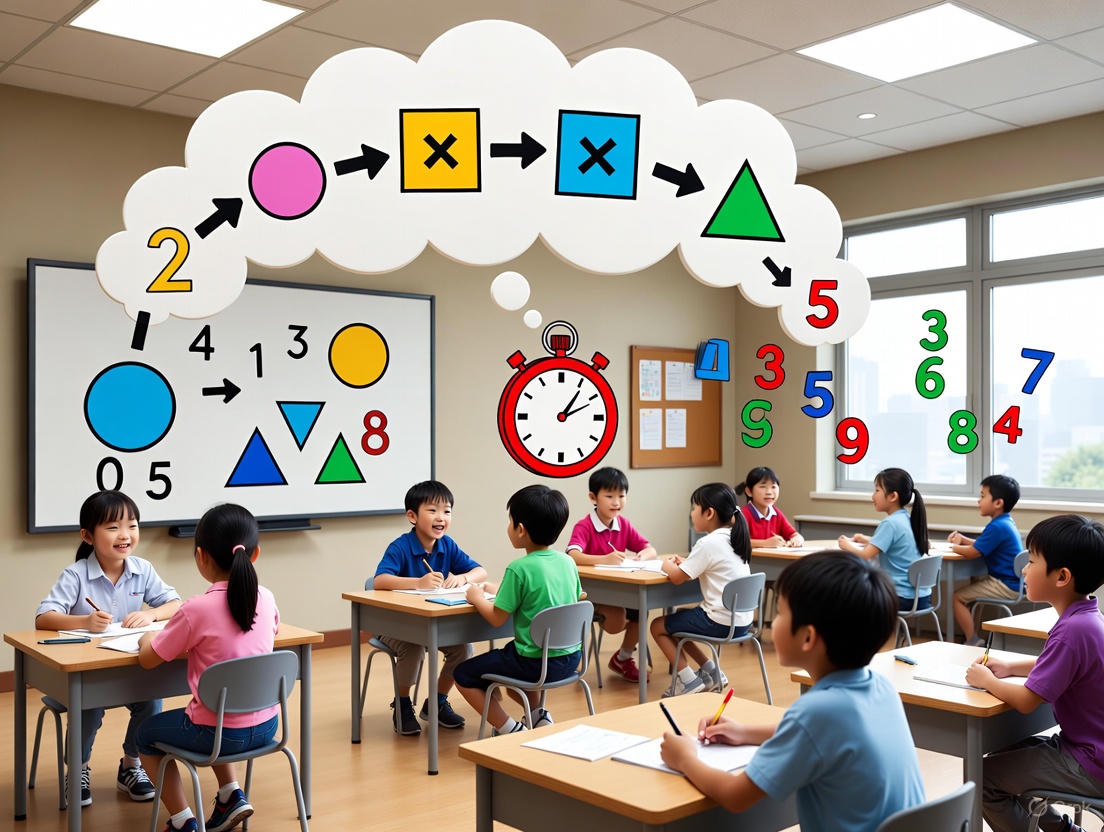
Tuition centres offer different pricing structures. Understanding these structures is crucial for making an informed decision.
Assessing Value: More Than Just the Price Tag
The cheapest option isn't always the best. You need to consider the value proposition – what are you getting for your money?
Interesting Fact: Singaporeans are known for being pragmatic and results-oriented. This extends to education, where parents are willing to invest in tuition if they believe it will help their children succeed.
Potential Return on Investment (ROI): Academic Improvement
Ultimately, the goal of tuition is to improve your child's academic performance. How can you measure the ROI?
History Snippet: Tuition in Singapore has evolved from informal tutoring sessions to a multi-million dollar industry. This reflects the increasing emphasis on academic achievement and the desire of parents to give their children a competitive edge.
Remember, choosing a Singapore Primary 4 tuition centre tips is a big decision. Do your research, compare your options, and choose a centre that meets your child's needs and your budget. Don't just chope (reserve) the first one you see! Good luck, and may your child ace those exams!
Verifying a tuition centres credentials ensures that the centre is operating legally and ethically, and that its teachers are qualified to provide quality education. This helps protect your childs learning experience and investment.
Look for official registration certificates from the Ministry of Education (MOE) or other relevant governing bodies. These documents confirm that the centre is authorized to operate as an educational institution.
Ask about the tutors educational background, teaching experience, and any certifications or training they have received. A good tuition centre will be transparent about their tutors qualifications.
Yes, you can check online reviews, testimonials, and social media to gauge the reputation of a tuition centre. Look for consistent positive feedback and be wary of any red flags.
Absolutely. Understanding the teaching methodology helps you determine if it aligns with your childs learning style and needs. A good centre will have a well-structured curriculum and effective teaching strategies.
A lower student-teacher ratio generally allows for more individualized attention. Ask about the average class size and how the centre ensures that each student receives adequate support.
Ask for data on past student performance, such as improvements in grades or exam scores. While not a guarantee, a strong track record can indicate the centres effectiveness in helping students achieve their academic goals.