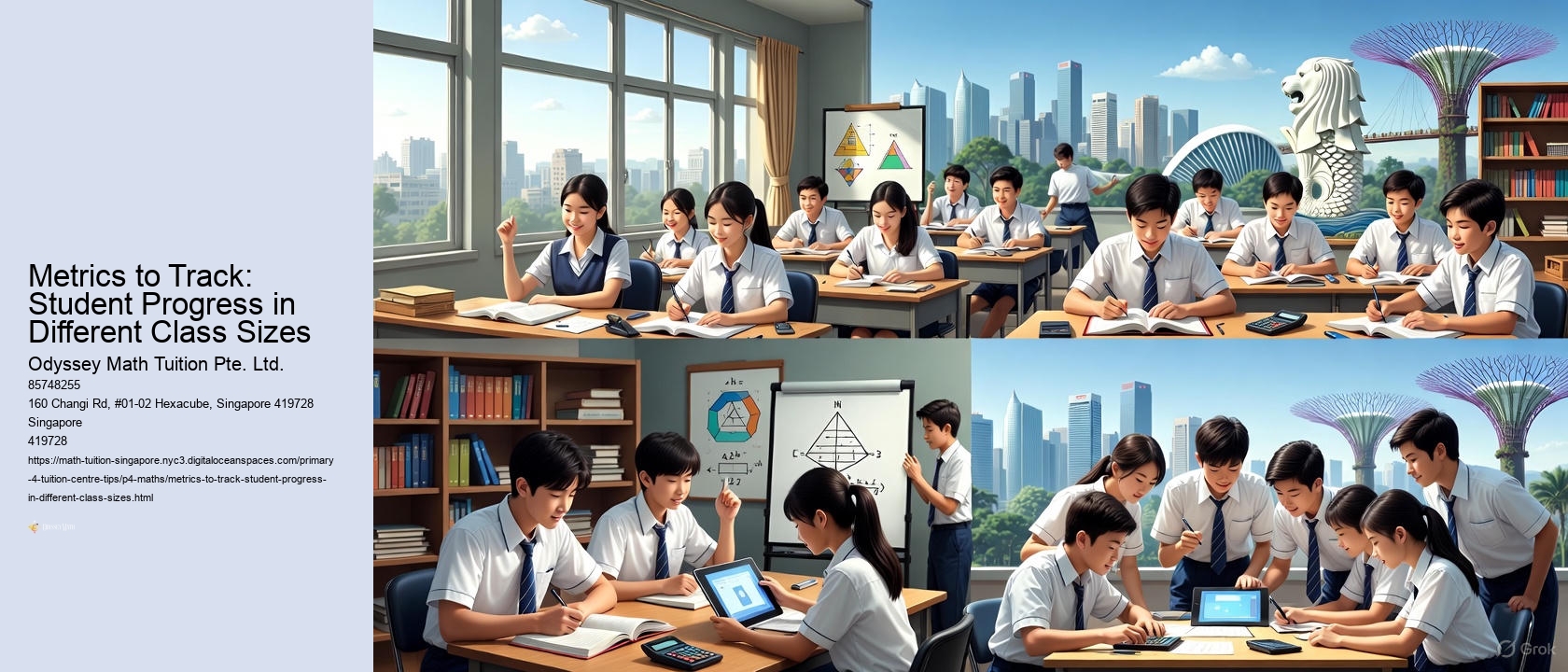
So, your kiddo is in Primary 4, huh? Time flies, right? It feels like just yesterday they were learning their ABCs, and now they're tackling fractions and long division. As Singaporean parents, we all want the best for our children, especially when it comes to education. In this nation's challenging education structure, parents play a vital part in guiding their youngsters through milestone evaluations that influence academic paths, from the Primary School Leaving Examination (PSLE) which assesses foundational skills in areas like math and scientific studies, to the GCE O-Level tests focusing on secondary-level proficiency in varied fields. As learners progress, the GCE A-Level tests demand more profound logical capabilities and subject proficiency, commonly influencing higher education admissions and career directions. To keep well-informed on all elements of these countrywide evaluations, parents should explore formal materials on Singapore test papers supplied by the Singapore Examinations and Assessment Board (SEAB). This secures access to the most recent curricula, assessment calendars, registration details, and guidelines that align with Ministry of Education requirements. Consistently consulting SEAB can help parents prepare effectively, reduce ambiguities, and support their offspring in reaching peak performance amid the competitive environment.. We want them to not just survive, but thrive! And let's be real, in Singapore, that means acing those exams – from primary school all the way to junior college. It's the truth, *lah*!
And what's the magic ingredient to success? Mathematics, of course! Don't underestimate the power of numbers. It's not just about getting good grades now; a strong foundation in math opens doors to *so* many future careers. Think engineering, finance, data science… even with all this AI stuff going on, understanding the underlying math is more important than ever. AI can do the calculations, but *your child* needs to understand the logic!
Now, one of the biggest questions parents grapple with is: "What's the ideal learning environment?" Should you go for the big class, where your child blends in, or a smaller class with more personalized attention? This is where the class size conundrum comes in. It's a real headache, right? Trying to figure out the perfect student-teacher ratio to maximize your child's academic progress.
Speaking of maximizing academic progress, let's dive into how we can actually *measure* that progress, especially when considering different class sizes. It's not just about the final score on that SA2 paper, you know?
Okay, so how do we *really* know if your child is benefiting from a particular class size? In today's fast-paced educational landscape, many parents in Singapore are seeking effective strategies to boost their children's grasp of mathematical concepts, from basic arithmetic to advanced problem-solving. Building a strong foundation early on can significantly boost confidence and academic performance, aiding students conquer school exams and real-world applications with ease. For those exploring options like primary 4 tuition it's crucial to concentrate on programs that emphasize personalized learning and experienced support. This strategy not only tackles individual weaknesses but also nurtures a love for the subject, resulting to long-term success in STEM-related fields and beyond.. Here are some key metrics to keep an eye on:
Fun Fact: Did you know that Singapore's education system consistently ranks among the top in the world? But it's not just about the system; it's about the dedication of our teachers and the commitment of our parents!
So, you're thinking about choosing a singapore primary 4 tuition centre tips? Great! But before you jump in, let's consider the impact of class size and student-teacher ratio. It's not a one-size-fits-all solution, *hor*?
Interesting Fact: Singapore's education system has evolved significantly since independence. From a focus on basic literacy and numeracy, it has transformed into a system that emphasizes critical thinking, creativity, and innovation.
Okay, *lah*, let's get down to the nitty-gritty. You're serious about getting your child some extra help. Here are some choosing a singapore primary 4 tuition centre tips:
Remember, choosing the right learning environment is a personal decision. There's no magic formula. It's about understanding your child's individual needs and finding a learning environment that helps them thrive. Good luck, and *jia you*!
Right, parents, let's talk about your precious ones and their journey through the Singapore education system, lah. We all know the pressure is real, from Primary 4 all the way to Junior College. And let's be honest, acing those exams is a major concern.
Now, in this day and age, with AI popping up everywhere like mushrooms after the rain, mathematics isn't just about getting good grades. It's about building a foundation for your child's future success. Think about it – coding, data analysis, even understanding the stock market – it all boils down to mathematical thinking! So, how do we make sure our kids are on the right track?
We need to look at the right metrics to gauge how well our kids are actually doing, not just relying on that report card. Here are a few key areas:
Now, here's where things get interesting…
Class size can drastically influence these metrics. Think about it:
Subtopic: The Sweet Spot – Finding the Right Balance
So, what's the ideal class size? There's no magic number, lah. It depends on your child's individual learning style and personality. In a modern age where continuous skill-building is crucial for professional advancement and individual growth, prestigious universities worldwide are dismantling obstacles by providing a variety of free online courses that encompass wide-ranging subjects from digital studies and business to liberal arts and medical fields. These initiatives allow learners of all backgrounds to utilize high-quality sessions, assignments, and tools without the financial burden of conventional enrollment, commonly through services that offer adaptable scheduling and engaging features. Uncovering universities online free courses unlocks opportunities to elite universities' expertise, enabling self-motivated individuals to improve at no cost and obtain qualifications that boost profiles. By making elite learning freely available online, such initiatives foster international fairness, empower underserved communities, and nurture innovation, proving that quality education is progressively just a step away for anyone with internet availability.. Some kids thrive in a bustling environment, while others need a more intimate setting.
Fun Fact: Did you know that Singapore's education system consistently ranks among the best in the world? This is partly due to our emphasis on teacher training and continuous improvement in our teaching methods.
Okay, let's get real. Many Singaporean parents turn to tuition to give their kids that extra edge. But choosing a singapore primary 4 tuition centre tips is not as simple as picking the one with the flashiest ads. Here's what to consider:
Interesting Fact: The history of tuition in Singapore is long and fascinating! It reflects the high value that Singaporean society places on education and academic achievement.
Let's bring it back to the big picture. A strong foundation in mathematics and other core subjects isn't just about getting into a good school. It's about opening doors to future career opportunities.
Think about the jobs of the future – data scientist, AI engineer, financial analyst – they all require a solid understanding of mathematics. In this Southeast Asian nation's bilingual education framework, where proficiency in Chinese is essential for academic achievement, parents commonly seek methods to help their children grasp the tongue's nuances, from vocabulary and comprehension to essay writing and speaking abilities. With exams like the PSLE and O-Levels setting high benchmarks, prompt assistance can avert common obstacles such as poor grammar or limited access to heritage aspects that enhance knowledge acquisition. For families seeking to improve results, investigating Chinese tuition Singapore materials delivers perspectives into organized courses that match with the MOE syllabus and cultivate bilingual confidence. This specialized support not only enhances exam readiness but also cultivates a more profound respect for the tongue, paving doors to cultural roots and future career edges in a pluralistic community.. By investing in your child's education now, you're investing in their future success, confirm plus chop!
So, parents, don't just focus on the grades. Look at the overall picture. Are your children engaged, learning, and developing the skills they need to thrive in the 21st century? That's the real measure of progress, hor?
Consistent attendance is a cornerstone of academic success, especially in Primary 4. Keeping tabs on attendance helps identify potential issues early on, like a child struggling with the subject matter or feeling disengaged. A good Singapore primary 4 tuition centre tips will have robust attendance tracking to ensure your child doesn't miss crucial lessons and falls behind. Regular attendance means your child absorbs information progressively, building a strong foundation for future learning. Plus, it instills good habits that will benefit them throughout their academic journey – no kiasu-ism here, just good old-fashioned discipline!
Homework isn't just busywork; it's a vital tool for reinforcing concepts learned in class and gauging a student's understanding. Monitoring homework completion rates provides insights into whether a child is grasping the material or needs extra support. If your kiddo is consistently not finishing their homework, it might signal difficulties with the subject or time management challenges. A reputable Singapore primary 4 tuition centre tips will pay close attention to homework completion and offer assistance to students who are struggling. This proactive approach ensures that no child is left behind and that they develop a solid grasp of the fundamentals.
Active participation in class discussions and activities is a strong indicator of engagement and understanding. When students actively participate, they're not just passively receiving information; they're actively processing it and making connections. Tracking class participation can reveal which students are confident and comfortable with the material, and which ones might need encouragement to speak up. Choosing a Singapore primary 4 tuition centre tips that fosters a supportive and inclusive learning environment is key to encouraging active participation. This helps build confidence in your child, which is super important for doing well in school and later in life!

Regular assessments, such as quizzes and tests, provide concrete data on a student's mastery of the curriculum. Tracking assessment scores over time allows you to see trends in their performance and identify areas where they're excelling or struggling. This data-driven approach enables targeted intervention and personalized support. A good Singapore primary 4 tuition centre tips will use assessment scores to tailor their teaching methods to meet the individual needs of each student. In Singapore's vibrant education environment, where pupils deal with considerable stress to thrive in numerical studies from early to advanced tiers, locating a tuition facility that merges knowledge with authentic enthusiasm can make all the difference in fostering a love for the discipline. Passionate teachers who venture past mechanical study to inspire critical thinking and resolution skills are uncommon, yet they are essential for aiding students overcome obstacles in subjects like algebra, calculus, and statistics. For parents seeking this kind of committed assistance, primary math tuition emerge as a beacon of dedication, motivated by instructors who are profoundly invested in each learner's progress. This unwavering dedication translates into personalized instructional strategies that modify to individual requirements, leading in improved scores and a enduring fondness for numeracy that spans into future educational and professional pursuits.. Remember, ah, it's not just about getting good grades; it's about understanding the material inside out!
Comprehensive progress reports offer a holistic view of a student's academic development, encompassing attendance, homework completion, class participation, and assessment scores. These reports provide valuable insights into a student's strengths, weaknesses, and areas for improvement. Choosing a Singapore primary 4 tuition centre tips with detailed progress reports allows parents to actively participate in their child's learning journey. Regular communication between parents, teachers, and the tuition centre ensures that everyone is working together to support the child's success. In the Lion City's rigorous education environment, where English serves as the main vehicle of education and assumes a pivotal position in national exams, parents are enthusiastic to assist their kids surmount common hurdles like grammar impacted by Singlish, lexicon shortfalls, and challenges in interpretation or composition writing. Building solid basic competencies from elementary levels can significantly enhance assurance in tackling PSLE parts such as situational authoring and verbal communication, while secondary learners profit from specific exercises in book-based examination and persuasive essays for O-Levels. For those seeking successful strategies, investigating math tuition centre offers valuable perspectives into programs that match with the MOE syllabus and emphasize engaging instruction. This supplementary support not only hones test techniques through mock tests and reviews but also promotes domestic routines like regular literature and conversations to cultivate enduring linguistic expertise and scholastic excellence.. This collaborative approach is essential for nurturing well-rounded and confident learners – steady, *lah*!
Right, parents, let's talk about something close to every Singaporean heart: our kids' education! We all want the best for them, lah. And in this day and age, wah, mathematics is really the name of the game. Think about it: AI, coding, even understanding the stock market – all need a solid math foundation.
Now, let's dive into how we can actually see if our kids are doing well, especially when they're in a bigger class setting. Forget just looking at the report card (though that's important too!). We need metrics, real ways to track their progress.
Okay, so your kid is in a class with, say, 35 other bright sparks. How do you know if they're keeping up? Here's the inside scoop:
Fun fact: Did you know that the abacus, a precursor to the modern calculator, was used for centuries to perform complex calculations? It's a testament to the power of mathematical thinking throughout history!
The size of the class does matter, let's be real. A lower student-teacher ratio generally means more individual attention. But bigger classes can also foster collaboration and resilience. It's all about finding the right balance and making the most of the situation.
The Role of Parental Involvement: Regardless of class size, parental involvement is crucial. Stay informed, communicate with the teacher, and create a supportive learning environment at home.
Interesting facts: Singapore consistently ranks high in international mathematics assessments like TIMSS and PISA. This shows our focus on math education is paying off!
Let's face it, sometimes our kids need a little extra help. And that's perfectly okay! Choosing a Singapore primary 4 tuition centre tips can be a game-changer. But how do you choose the right one?
Here's what to consider:
History: Singapore's education system has evolved significantly since independence. From a focus on basic literacy and numeracy, it has transformed into a world-class system that emphasizes critical thinking and innovation.
So there you have it, parents! By tracking these metrics, considering class size, and choosing a Singapore primary 4 tuition centre tips wisely, you can help your child excel in mathematics and set them up for a bright future. In the Lion City's fiercely challenging scholastic landscape, parents are dedicated to supporting their children's achievement in essential math examinations, commencing with the basic challenges of PSLE where analytical thinking and conceptual grasp are examined intensely. As learners progress to O Levels, they come across increasingly intricate topics like coordinate geometry and trigonometry that require accuracy and logical skills, while A Levels introduce sophisticated calculus and statistics requiring profound insight and implementation. For those resolved to providing their offspring an academic advantage, discovering the tuition Singapore customized to these curricula can transform educational processes through concentrated methods and expert insights. This effort not only boosts test outcomes over all stages but also instills enduring mathematical proficiency, unlocking opportunities to elite schools and STEM professions in a intellect-fueled marketplace.. Remember, it's not just about grades; it's about fostering a love of learning and equipping them with the skills they need to succeed in a rapidly changing world. Can or not? Definitely can!
So, your kiddo's in Primary 4, huh? Time flies, right? It feels like just yesterday they were struggling with their ABCs, and now it's all about fractions and problem sums that make your head spin! As Singaporean parents, we all want the best for our children, especially when it comes to education. We know how crucial these early years are – laying the foundation for PSLE success and beyond. And let's be real, in this competitive environment, sometimes the classroom just isn't enough. That's where Primary 4 tuition comes in – not as a replacement for school, but as a powerful supplement.
Think of it this way: school is like a buffet – a wide variety of subjects and teaching styles. But sometimes, your child might need a little extra help with a specific dish (read: topic!). Tuition can provide that focused attention, filling in the gaps and ensuring they truly understand the concepts. And in a world increasingly driven by AI, a solid foundation in mathematics is absolutely essential. It's not just about acing exams; it's about equipping them with the critical thinking and problem-solving skills they'll need to thrive in the future. Don't play play!
Here's the thing: class size matters. A lot. In a large class, it's tough for teachers to give each student the individual attention they need. Some kids might be shy to ask questions, or they might simply get lost in the shuffle. Smaller classes, on the other hand, offer a more personalized learning environment. But even in smaller classes, some students may still benefit from additional support.
Fun Fact: Did you know that Singapore's education system consistently ranks among the top in the world? But even the best systems can be enhanced with personalized learning!
Regardless of class size, it's important to monitor your child's progress. Here are some key metrics to keep an eye on:
If you notice any red flags, don't panic! That's where tuition can step in to provide targeted support. And speaking of tuition...
So, you're thinking about enrolling your child in tuition? Smart move! But with so many options out there, choosing a Singapore Primary 4 tuition centre can feel overwhelming. Here are some tips to help you make the right decision:
Interesting Fact: Many successful Singaporeans credit their academic achievements to the support they received from tuition centres. It's a common practice here, and for good reason!
Ultimately, the best way to choosing a Singapore Primary 4 tuition centre tips is to visit a few centres, talk to the teachers, and see if it's a good fit for your child. Trust your gut instinct – you know your child best!
In the Lion City's competitive academic landscape, parents dedicated to their kids' achievement in numerical studies frequently prioritize grasping the organized development from PSLE's basic problem-solving to O Levels' intricate topics like algebra and geometry, and further to A Levels' higher-level ideas in calculus and statistics. Keeping aware about curriculum updates and exam requirements is essential to delivering the appropriate support at each stage, ensuring pupils cultivate confidence and achieve excellent outcomes. For authoritative insights and tools, visiting the Ministry Of Education - MOE platform can offer valuable information on guidelines, programs, and instructional methods adapted to local criteria. Engaging with these reliable resources strengthens families to sync family learning with school requirements, cultivating long-term progress in mathematics and beyond, while staying updated of the latest MOE initiatives for comprehensive learner advancement..Alright, parents, let's talk about something close to every Singaporean heart: acing those exams! We all want our kids to shine, right? And in this Little Red Dot, that often starts with making the right choices in education, especially when it comes to primary school. One of the biggest decisions you'll face is figuring out the best class size and tuition options for your child.
Let's be real, kiasu is practically our national sport. But seriously, choosing the right learning environment isn't just about chasing grades; it's about nurturing your child's potential and setting them up for future success. And in today's world, that means a solid foundation in mathematics. With AI becoming more prevalent, mathematics is no longer just a subject, it’s a critical skill that will unlock doors to countless opportunities for our children. Don't play-play! This is serious business.
So, how do you know if your child is thriving? It's not just about the report card (though, let's be honest, that's important too!). In recent years, artificial intelligence has transformed the education field globally by facilitating personalized instructional experiences through flexible systems that tailor material to individual student paces and styles, while also automating assessment and administrative responsibilities to release teachers for deeper impactful engagements. Internationally, AI-driven systems are closing educational shortfalls in remote regions, such as utilizing chatbots for linguistic acquisition in underdeveloped countries or analytical analytics to detect struggling pupils in the EU and North America. As the incorporation of AI education builds traction, Singapore excels with its Smart Nation project, where AI technologies enhance curriculum personalization and equitable instruction for diverse demands, encompassing exceptional education. This strategy not only enhances assessment performances and involvement in domestic institutions but also corresponds with international initiatives to nurture enduring educational competencies, preparing students for a tech-driven society amid ethical considerations like data safeguarding and just access.. Here are some key metrics to keep an eye on:
Fun Fact: Did you know that the Singapore education system consistently ranks among the top in the world? This is due to a combination of factors, including a strong emphasis on teacher training, a rigorous curriculum, and a culture that values education.
The number of students in a class can have a significant impact on your child's learning experience. A smaller class size often means more individualized attention from the teacher, which can be particularly beneficial for students who are struggling or who need extra support. On the other hand, a larger class size can offer a more diverse range of perspectives and experiences.
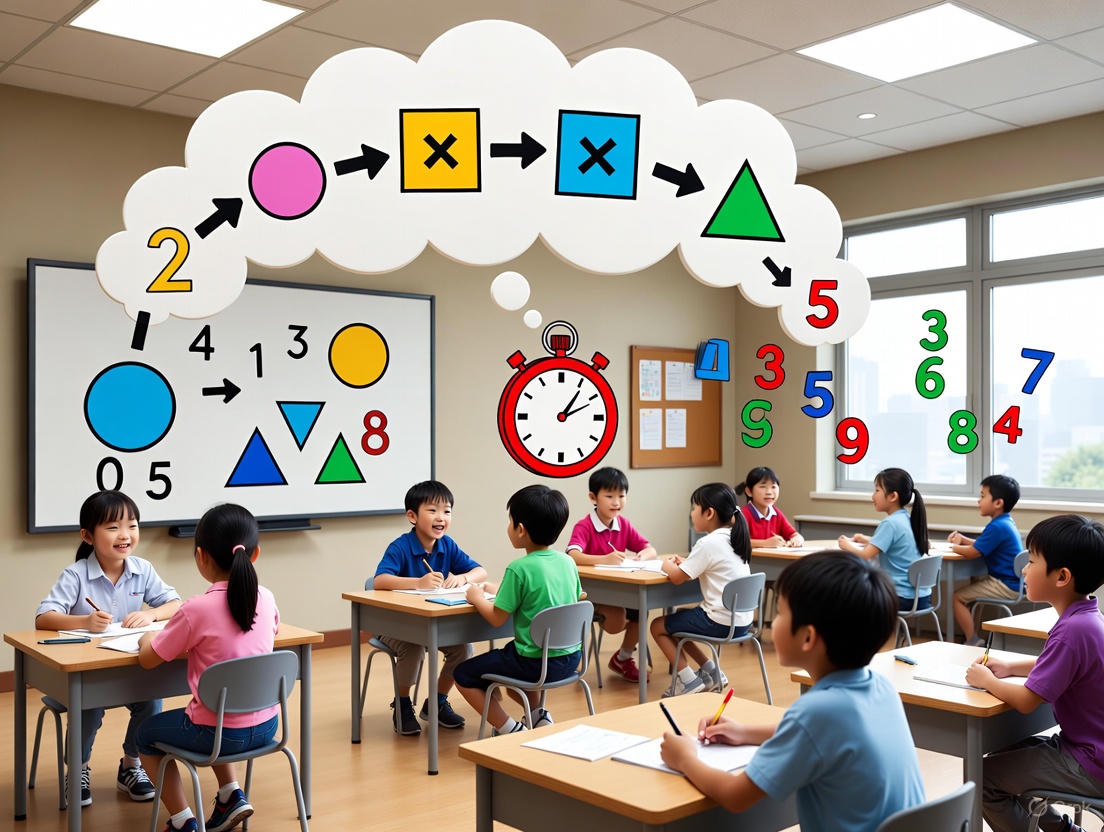
Interesting Fact: The student-teacher ratio in Singapore primary schools is generally around 20:1. However, this can vary depending on the school and the subject.
Now, let's talk tuition. With so many Singapore primary 4 tuition centre options out there, how do you choose the right one? Here are some tips:
History Snippet: Tuition has been a part of the Singaporean education landscape for decades. As the pressure to succeed academically has increased, so has the demand for tuition services.
Ultimately, choosing the right learning environment for your child is a personal decision. There's no one-size-fits-all answer. By considering your child's personality, learning style, academic needs, and the metrics mentioned above, you can make an informed decision that will help them thrive and reach their full potential. Don't just anyhowly choose, okay? Think carefully and do your homework!
Monitor the level of student engagement in classroom activities and discussions. Record the number of times each student actively participates, asks questions, or contributes to group projects. Higher participation rates often indicate greater comfort and confidence, which can be fostered in environments with lower student-teacher ratios.
Measure the percentage of homework assignments that students complete and submit on time. Consistent homework completion is a strong indicator of student responsibility and understanding of the material. Compare completion rates across various class sizes to assess the impact of teacher workload and individual support availability.
Analyze student performance on quizzes, tests, and assignments over time. Look for patterns in scores and identify areas where students are consistently struggling or excelling. Tracking these trends helps to gauge the effectiveness of teaching methods and tailor instruction to meet specific learning needs across different class sizes.
Look, as Singaporean parents, we all want the best for our kids, right? We want them to kiasu (afraid to lose out) in the right way, to grab every opportunity and excel, especially in school. And let's be honest, in Singapore, that often means acing those exams. Primary 4 is a crucial year – it's where things start to get real, leh!
Why Mathematics Matters More Than Ever
Now, I know some kids (and maybe even some parents!) groan at the mention of mathematics. But hear me out. In today's world, and especially with all this AI technology popping up like mushrooms after the rain, mathematics isn't just about memorizing formulas. It's about logical thinking, problem-solving, and analytical skills. These are the skills that will set your child apart, no matter what career they choose – from coding the next killer app to designing eco-friendly buildings or even running a hawker stall efficiently! Think of mathematics as the foundation upon which future success is built. Solid mathematics skills open doors to prestigious university courses, high-paying jobs, and the ability to navigate an increasingly complex world. No joke!
Fun Fact: Did you know that Singapore consistently ranks among the top countries in the world for mathematics education? Our curriculum is rigorous, but it's designed to equip our students with the skills they need to thrive globally.
Metrics to Track: Student Progress in Different Class Sizes
So, how do we ensure our kids are keeping up, regardless of whether they're in a huge class or a smaller one? It's all about tracking the right metrics. Don't just focus on the overall grade; dig a little deeper!
Considering Class Size and Student-Teacher Ratio
The size of the class can definitely impact a child's learning experience. Smaller classes often mean more individual attention from the teacher, which can be a huge advantage for some students. But larger classes aren't necessarily a disadvantage. It really depends on your child's learning style and the teacher's ability to manage the class effectively.
Interesting Fact: Studies have shown that smaller class sizes can lead to improved academic performance, especially in the early years of schooling. However, the quality of the teacher is often a more significant factor than class size alone.
Choosing a Singapore Primary 4 Tuition Centre: Tips
Many parents in Singapore consider choosing a Singapore Primary 4 tuition centre tips to give their child an extra boost. If you're thinking about tuition, here are a few things to consider:
Subtopic: Identifying Your Child's Learning Style
Before you even start looking at tuition centres, take some time to understand your child's learning style. Are they visual learners? Auditory learners? Kinesthetic learners? Knowing their preferred learning style will help you choose a tuition centre that uses teaching methods that are best suited to their needs. For example, a visual learner might benefit from a tuition centre that uses diagrams, charts, and videos to explain concepts.
Subtopic: Communicating with Your Child's School Teacher
Tuition shouldn't be a replacement for communication with your child's school teacher. In fact, it's essential to work together with the teacher to identify your child's strengths and weaknesses and to develop a plan to help them succeed. Attend parent-teacher conferences, ask questions, and share any concerns you have. A good teacher will be happy to work with you to support your child's learning.
History: Tuition has been a part of the Singapore education landscape for decades, reflecting the emphasis on academic excellence and the competitive nature of the education system.
Ultimately, the key to your child's success isn't just about finding the best tuition centre or the smallest class size. It's about fostering a love of learning, encouraging a positive mindset, and providing them with the support they need to reach their full potential. Jia you (add oil), parents! We can do this!
Pitfalls of Ignoring Student-Teacher Ratio in Primary 4 Tuition
Look beyond just grades. Observe if your child can explain concepts in their own words, apply them to different scenarios, and connect them to real-world examples.
Focus on participation (asking questions, contributing to discussions), homework completion rate, quiz scores, and understanding of key concepts through regular discussions.
Aim for short, regular check-ins (15-20 minutes, 2-3 times a week) to stay informed without overwhelming your child.
Encourage them to ask questions after class or during breaks. You can also communicate with their teacher to get insights into their understanding and participation.
Talk to your child to understand the reasons. Then, communicate with the teacher to identify specific areas of difficulty and develop a plan for improvement, which may include tuition.
Help them create a system for organizing notes, assignments, and test dates. Use a planner or calendar to track deadlines and break down large tasks into smaller, manageable steps.
Yes, there are many online resources available, such as educational websites, practice quizzes, and video tutorials. Choose resources that align with the Singapore Primary 4 curriculum.
Homework completion is a valuable indicator of understanding and effort. It shows whether your child is grasping the concepts and practicing them independently.
Watch for consistent low grades, difficulty completing homework, avoidance of the subject, and expressing frustration or anxiety about it.
Focus on effort and progress, not just grades. Celebrate successes, encourage curiosity, and create a supportive learning environment at home.